

Many learners understand Korean but can’t speak it, which can feel frustrating and confusing. If this sounds familiar,you’re not alone.
You may recognize words, follow conversations, and understand Korean content, but when it’s time to speak, your mind goes blank. This happens for specific reasons—and once you understand them, it becomes much easier to fix. Here are 3 mains reasons why this happens and how to fix it.
3 Reasons why you fail to speak Korean
1. You translate in your head first
One of the biggest reasons you can’t speak Korean easily is because you think in your native language first and then try to translate.
Although this helps complete beginners & early intermediate learners to practice structuring sentences, if you are above that level, this slows you down and makes speaking feel unnatural.
And this is why at Korean Booster, we recommend students taking conversation lessons after finishing A2-B1 level grammar.
How to fix it:
- Start thinking in simple Korean phrases
- Use patterns you already know
- Focus on communication, not perfect sentences
2. Too much input, not enough real conversation
If you understand Korean but can’t speak, it’s usually because you spend a lot of time on listening and reading, but very little time actually speaking.
At the same time, understanding Korean from videos or textbooks is very different from real conversation, where you need to respond quickly.
How to fix it:
- Practice speaking every day (even 5–10 minutes)
- Speak out loud, not just in your head
- Practice real-life situations

3. Fear of mistakes and lack of confidence
Even if you understand Korean, you might hesitate to speak because you’re afraid of making mistakes or sounding unnatural.
This creates a situation where you know what to say, but don’t say it.
How to fix it:
- Accept that mistakes are part of learning
- Focus on being understood, not perfect
- Build confidence through repetition
Is this problem normal when learning Korean?
Understanding more than you can speak is a natural stage in language learning. Your brain develops passive skills first, then active ones.
The key is consistent speaking practice to turn understanding into real communication.
How to start speaking Korean more confidently
To improve your speaking, you need to turn passive knowledge into active use.
Start with small, consistent habits:
- Speak Korean every day, even for a few minutes
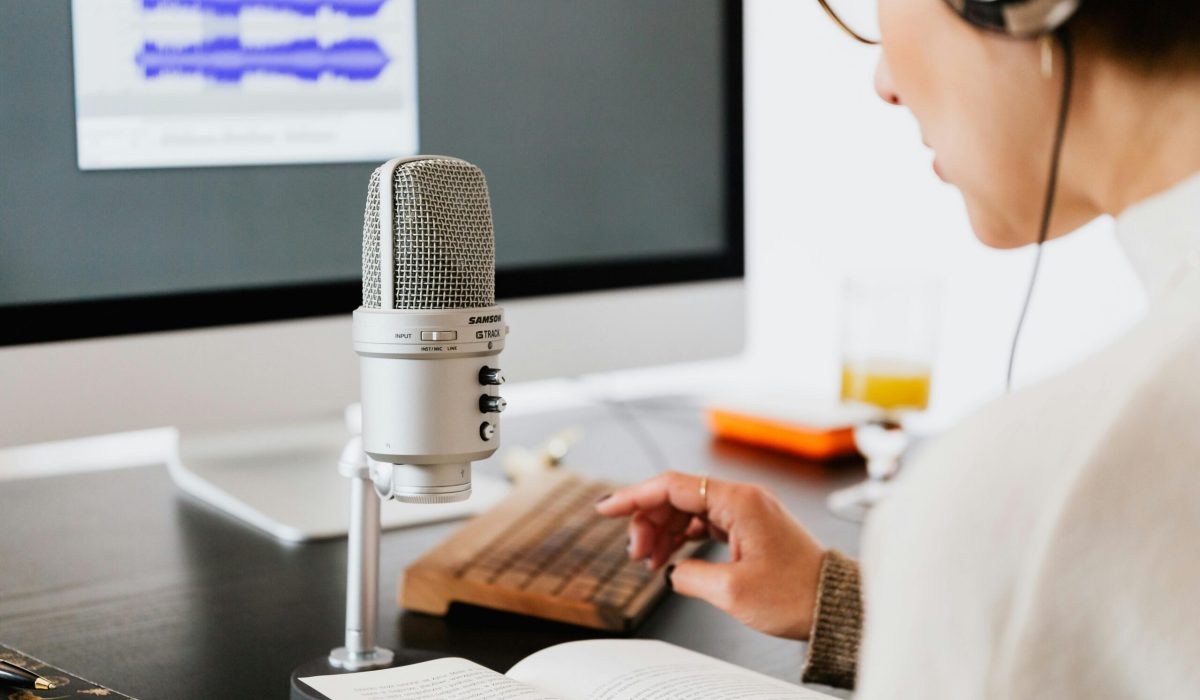
- Record yourself speaking Korean and listen to it
- Practice common sentence patterns
- Simulate real conversations out loud
This helps you notice mistakes and improve faster.
Learn to speak Korean with confidence
If you want to move from understanding to speaking, you need guided practice and real feedback.
At Korean Booster, we help learners build confidence through real-life conversation practice and cultural context.
Our individual or small group classes (2–4 students) give you the opportunity to speak regularly in a supportive environment.
We’re also starting our 11th 30-day speaking challenge on April 1st, where you’ll:
- Practice speaking every day
- Receive written and audio feedback
- Get 30 different topics with example questions
- Winner receives FREE Korean Lesson
This is a great way to build consistency and finally start speaking Korean more naturally.